MN Chamber Top 5 business issues shaping the last week of the session
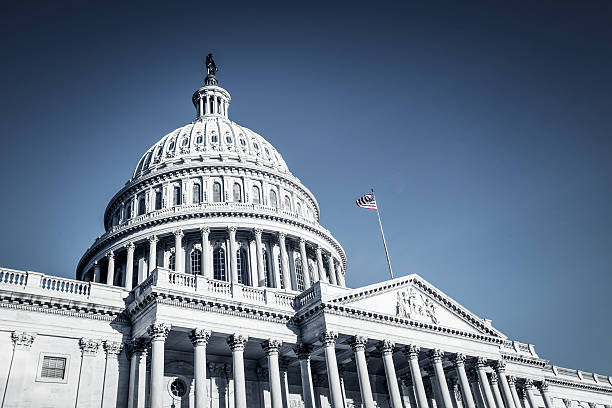
The Legislature is set to adjourn one week from today, May 17. Whether the state budget and other policy matters will be finished by then is a different matter. Over the last 20 years, the Legislature has finished on time during only three budgeting years. Seven sessions required special sessions, and two went into partial government shutdowns. The DFL-controlled House, GOP-controlled Senate and governor have differing positions on issues including raising or cutting taxes, workplace mandates, how to use federal COVID-19 relief money, police reform and more.
Where does that leave issues impacting the business community?
Minnesota businesses don’t have the luxury of considering state spending and policy decisions separately, in a vacuum. Whether it's over 30 weeks of state-mandated paid leave time, $610 million in permanent business tax increases, transportation tax increases or the cost increases with transitioning to clean energy, employers have to look at the whole picture of how decisions in St. Paul will impact their business.
Here's a look at the top 5 issues the Chamber is tracking in the final week of session:
TAXES AND PPP RELIEF
- The House DFL and Governor Walz have proposed permanent tax increases including new 5th tier and increased corporate taxes in order to fund mostly temporary tax decreases and permanent new spending increases. The Senate is advocating for tax decreases including full conformity of PPP loans. The governor and House DFL are at partial conformity for PPP loans less than $350,000.
- Just today, the U.S. Treasury Department announced guidance for states using COVID-19 relief funding. The guidance says states can enact federal conformity for PPP loans and other items. With a $1.6 billion budget surplus plus $2.83 billion in federal funds, there's no reason to hold PPP tax relief as a bargaining tool.
HEALTH CARE
- The Senate continues to pursue an extension of reinsurance to continue stability in the individual health insurance market for the 2022 plan year and beyond.
WORKPLACE MANAGEMENT
- The Jobs Omnibus Conference Committee continues to work through the similarities and differences between the House and Senate bills. The House proposal contains numerous workplace mandates and new cost burdens that would hinder Minnesota's economic recovery including:
- Up to 24 weeks of a paid family and medical leave mandate paid for through a new 0.6% payroll tax on every employer to create a broad new state-run insurance program that will collectively cost the Minnesota business community $2.2 billion over the next three years.
- Up to 80 hours of a statewide paid sick and safe time mandate that employers must offer fully paid time off in a specific format, for an expanded set of familial persons, for an expanded list of qualifying events.
- Up to 160 hours of emergency paid sick leave for certain “essential workers” — retroactive to March 13, 2020 and through September 31, 2021.
- Removal of employer flexibilities and small business exemptions for workplace rules and existing leave laws.
- Emergency rehire and retention protections on certain employers by requiring them to offer employees who were laid-off due to the pandemic information about available job positions for which they qualify and to rehire from employees based on a preference system of qualifications and seniority.
- Various expansions to Minnesota’s unemployment insurance program - at a time when the Unemployment Insurance Trust Fund is currently facing over a $1.3 billion deficit and steep automatic unemployment insurance payroll tax increases are expected in the coming months due to the pandemic.
TRANSPORTATION
- The House has put forward increases in the gas tax, tab fees, motor vehicle sales tax and a metro areas sales tax to help fund increases in transportation funding.
ENVIRONMENTAL SUSTAINABILITY
- The conference committee has reached an impasse on the debate on if Minnesota should adopt California Clean Cars standards.
